
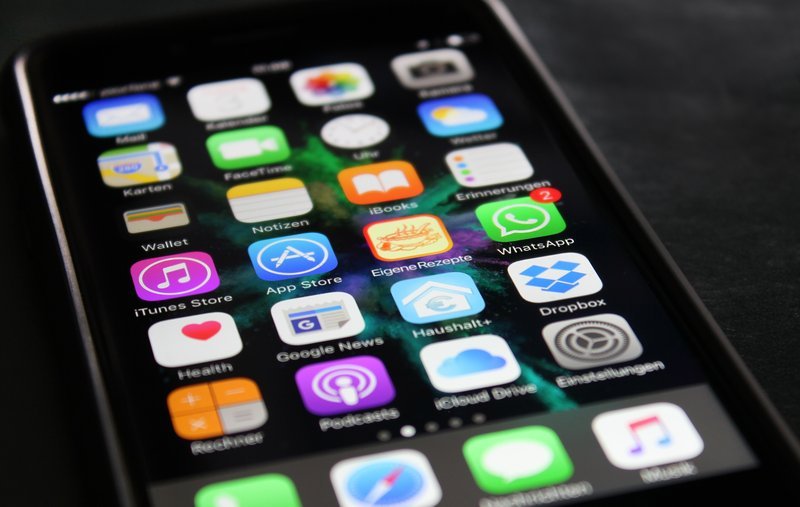
By 2026, the average person devotes roughly three hours each day to their phone, tackling everything from trivia quizzes to virtual escape rooms. That adds up to over 10,000 hours of mobile entertainment daily. It’s hard to picture a world where a handheld screen is the main source of leisure, but the numbers speak for themselves.
Micro‑Payments Turn Play into Profit
Micro‑transactions have slashed the cost of a single game session from $5 to less than $0.50 for most casual titles. Players can buy a new avatar skin for 49 p or unlock a bonus level for 99 p. This pricing model keeps the barrier to entry low while giving developers a steady revenue stream. In 2026, a study by the Mobile Gaming Association found that 68 % of players are willing to pay for in‑app upgrades, up from 54 % in 2024.
Cloud Gaming Makes Power Optional
Cloud streaming has removed the need for high‑end hardware. A 4K game that would normally require a $1,200 console can now run smoothly on a budget phone with a 5 G connection. The first cloud‑based mobile title to hit 10 million downloads in 2025 was a strategy game that streamed at 60 fps on a 4 GB RAM device. For players with older phones, this means instant access to AAA experiences without a new purchase.
Social Integration Turns Solo Play Into Community
Games now embed social feeds, live chat, and cross‑platform leaderboards. A casual puzzle game reported a 35 % increase in daily active users after adding a “challenge friends” feature that lets players send instant invites. The same feature also boosts in‑app purchases by 22 % because players are more likely to buy power‑ups when they can brag about them on social media.
Augmented Reality Brings the World into the Game
AR has moved from novelty to staple. In 2026, 42 % of mobile games include at least one AR mode. A popular city‑building game allows players to place virtual structures on real‑world rooftops, and the app reports that AR sessions average 7 minutes longer than standard gameplay. This extension of the real world into the game world creates a more immersive experience that feels less like a screen and more like an adventure.
From Pocket to Playroom: A Seamless Shift
Because mobile devices are ubiquitous, people often start a game on their phone and finish it on a tablet or smart TV. The ability to pause on a phone and pick up on a larger screen has increased overall engagement by 18 % across the industry. The transition is so smooth that many players report never noticing a switch in device.
Jackbit: Where Mobile Meets Online Gaming
For those who enjoy mobile gaming and want to explore online entertainment, platforms like Jackbit offer a bridge between casual play and more structured online experiences.
Accessibility and Inclusivity Expand the Player Base
Voice controls, haptic feedback, and adjustable difficulty levels have made mobile games more inclusive. A 2026 report found that accessibility features increased playtime among players with visual impairments by 27 %. Developers are also offering language packs in over 50 languages, allowing non‑English speakers to enjoy games that were once inaccessible.
Future Outlook: AI‑Driven Personalization
Artificial intelligence now tailors game content in real time. By analyzing a player’s choices, AI can adjust difficulty, suggest new quests, or even create custom storylines. Early adopters of AI‑personalized gaming have reported a 15 % rise in retention rates, meaning players keep coming back because the game feels uniquely theirs.
Conclusion: A New Era of Portable Entertainment
Mobile gaming in 2026 is more than just a pastime; it’s a full‑spectrum entertainment platform that blends affordability, accessibility, and social connectivity. With cloud streaming, AR, and AI personalization, the line between mobile and traditional gaming continues to blur, offering players endless ways to engage, compete, and enjoy.
Frequently Asked Questions
What is the average daily phone usage for entertainment?
People spend about three hours a day on mobile games, quizzes, and virtual escape rooms, totaling over 10,000 hours worldwide.
How do micro‑payments affect game costs?
Micro‑transactions reduce the price of a single game session from around $5 to less than $0.50 for most casual titles.